

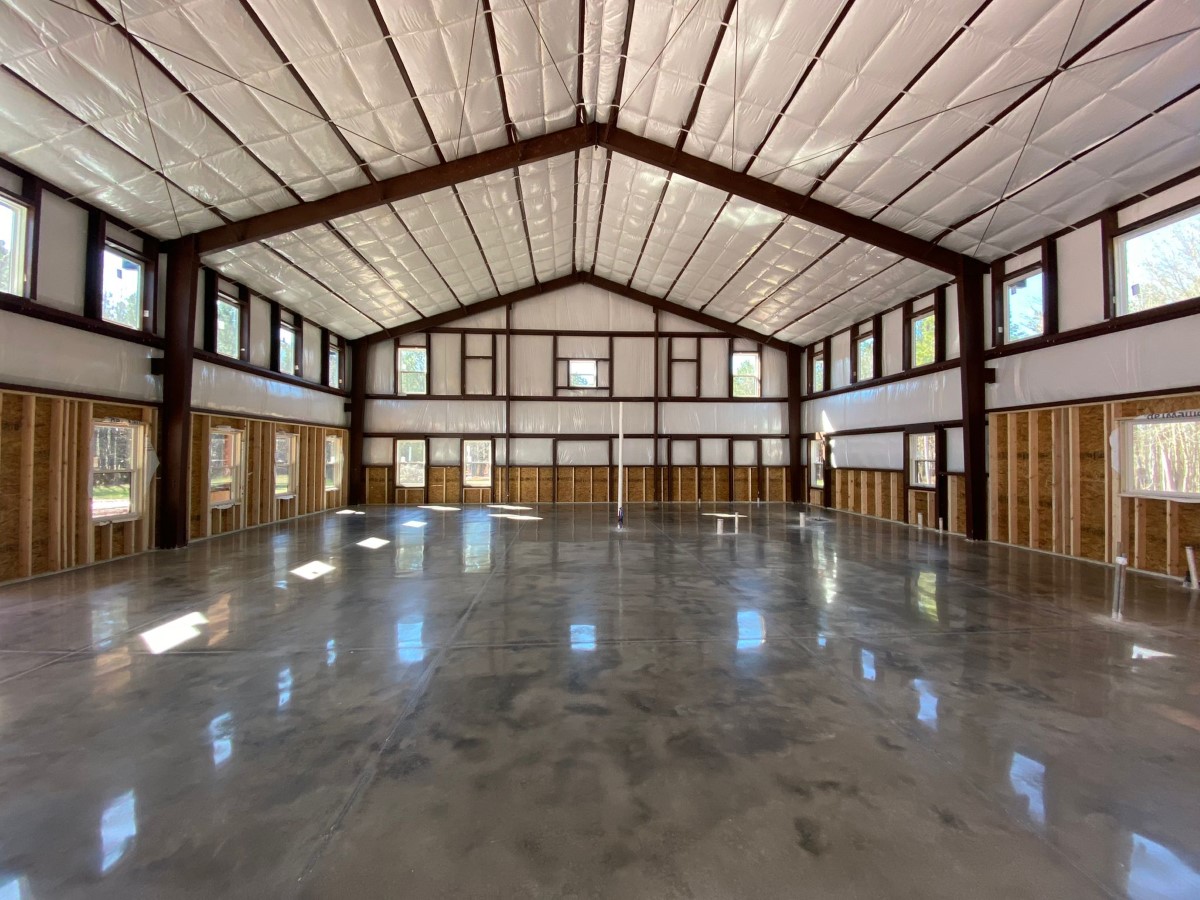
Choosing a concrete flooring professional involves more than finding someone who can operate grinding equipment. The quality of the finished surface depends on preparation, equipment, experience, materials, and the condition of the existing slab. When comparing polished concrete floor companies, property owners should understand what the project involves and what questions deserve attention before work begins.
Understand Your Flooring Project
Start by defining how the space will be used. A residential floor, retail store, office, warehouse, and showroom can have different performance requirements. Traffic levels, furniture, equipment, moisture exposure, and cleaning routines may all affect the appropriate polishing system.
It also helps to decide what appearance you want. Polished concrete can have different levels of shine, aggregate exposure, and visual character. Knowing whether you prefer a subtle finish or a more reflective appearance gives contractors a clearer starting point when discussing the project.
Assess the Existing Concrete
A professional should evaluate the existing slab before recommending a polishing approach. Concrete can contain cracks, stains, patches, uneven areas, old adhesives, or previous coatings. These conditions may affect both preparation and the final appearance.
The age and condition of the slab also matter. Polishing does not simply place a new surface over the concrete. It mechanically refines the existing material so that certain imperfections may remain visible after completion.
Ask whether the contractor will inspect the floor before providing a recommendation. An on-site assessment can reveal preparation requirements that may not be obvious from photographs or a short description.
Compare Polished Concrete Contractors
When researching polished concrete contractors, look beyond the basic service description. Experience with projects similar to yours can be particularly useful because different properties present different challenges.
Ask potential contractors about their preparation methods, polishing stages, equipment, and finishing process. You can also ask whether they have completed projects with similar traffic levels or floor conditions.
Useful questions include:
-
How will the existing concrete be evaluated?
-
What preparation will the surface require?
-
How many polishing stages are expected?
-
What finish and aggregate exposure are suitable?
-
How will cracks or damaged areas be addressed?
-
What maintenance will the finished floor require?
Clear answers can help you compare contractors based on their actual approach rather than simply comparing service descriptions.
Look at Previous Projects
Examples of completed work can provide useful information about a contractor’s capabilities. Look for projects that resemble your own in size, surface condition, and intended use.
Pay attention to the consistency of the finished surface, transitions around edges, repaired areas, and overall appearance. A portfolio should show more than one style if the contractor handles different types of projects.
It can also be helpful to discuss references or previous commercial work when the project is substantial. This gives property owners an opportunity to understand how the contractor approached preparation, scheduling, communication, and completion.
Discuss Preparation and Repairs
Preparation deserves particular attention because polishing cannot correct every underlying concrete problem. Cracks, holes, adhesive residue, coatings, and uneven sections may require additional treatment before polishing begins.
A contractor should explain which repairs are practical and how they may affect the finished appearance. Some repaired areas can remain visible after polishing because the final surface reflects the character of the existing slab.
Understanding these limitations before installation can help create realistic expectations about the finished floor.
Consider Maintenance Requirements
Polished concrete is often selected because it can provide a practical surface for busy spaces. However, maintenance requirements still depend on the environment and finish.
Ask the contractor what cleaning routine is recommended and whether the finished surface needs periodic maintenance. Commercial spaces may need a different maintenance schedule from residential areas because of heavier traffic and frequent cleaning.
It is also worth discussing how the surface may respond to spills, abrasion, or changing use over time. A flooring professional should be able to explain appropriate care based on the proposed system.
Review the Complete Proposal
Before approving a project, review the proposal carefully. It should provide enough information to understand the work being performed, including preparation, repairs, polishing, finishing, and other relevant services.
Avoid choosing solely on the lowest quoted figure. A lower initial price may reflect differences in preparation, finish quality, project scope, or materials. Comparing proposals based on the complete process gives you a more useful basis for making a decision.
Conclusion
Finding the right contractor requires attention to both workmanship and project planning. Polished concrete floor companies and individual contractors may offer different processes, finishes, and levels of experience, so property owners should compare what each proposal actually includes.
If you are exploring concrete flooring services, khaysservices.com can be a starting point for learning about available options and considering what may suit your property. A clear understanding of the slab, desired finish, preparation requirements, and maintenance needs can help you select a suitable approach.